Magic Seventie: A Modern Serif with Retro Soul
When you're building a brand identity, the typeface you choose does more than just spell out words. It carries personality, sets a mood, and makes a silent promise to your audience. I recently came across a premium font called Magic Seventie, and it’s a fascinating study in balancing contrasting ideas. It’s a display serif font that manages to feel both vintage and thoroughly modern, feminine yet strong. For designers, entrepreneurs, and creators looking for a creative font with genuine character, it offers a distinct voice that’s hard to ignore.
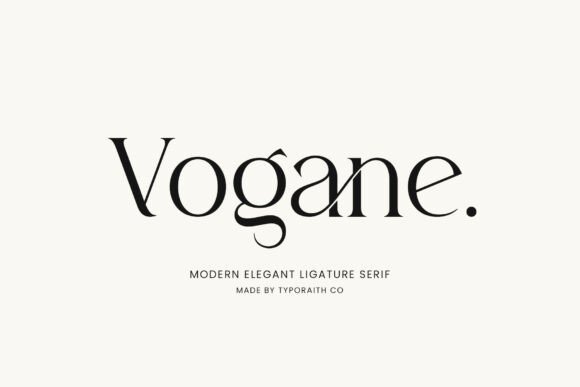
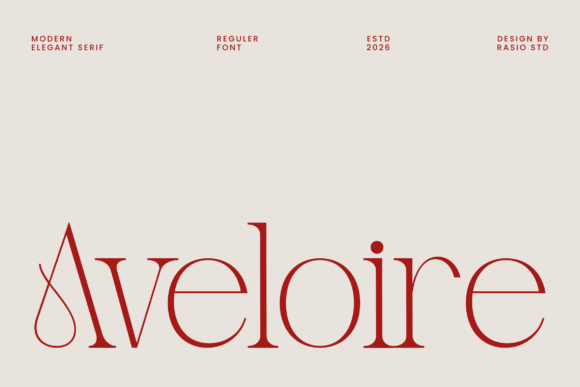
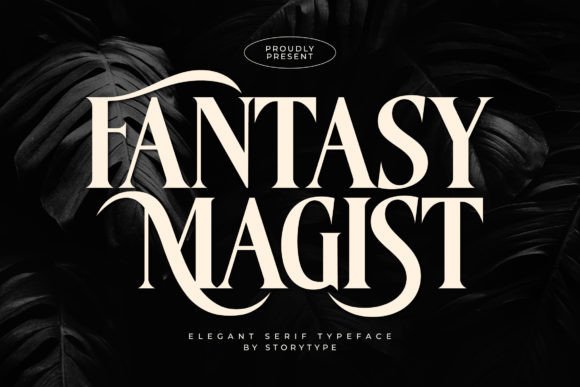
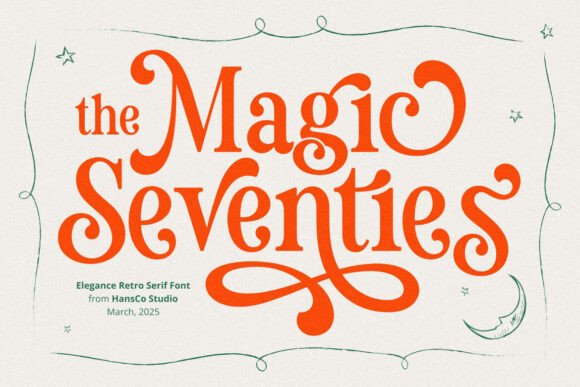
Magic Seventie’s visual appeal lies in its details. It’s a serif font, but not the kind you’d find in a stuffy legal document. The serifs are soft and often curved, contributing to a gentle, approachable feel. The real magic, however, is in the swashes. Each character has the potential for a smooth, flowing flourish, giving the typeface a graceful, hand-lettered quality. This isn’t a script font or a handwritten font, but it borrows that sense of personal touch. The overall effect is a modern typography piece that nods to the 1970s aesthetic—think elegant, flowing lines with a confident, retro flair. It’s this blend that makes it so versatile for projects that need to feel both timeless and fresh.
Where This Typeface Truly Shines
Understanding a font's strengths is key to using it effectively. Magic Seventie is, at its heart, a display font. This means it’s engineered for impact at larger sizes, making it ideal for headlines, logos, and short, punchy statements where its intricate details can be fully appreciated. It’s less suited for long blocks of body text, where simplicity and readability at small sizes are paramount. Think of it as the statement jewelry of your design toolkit—it’s meant to be noticed.
Its applications are wide-ranging, particularly in projects where brand identity is central. For logo design, it can lend an immediate sense of sophistication and uniqueness to a boutique, a florist, a cosmetics brand, or a lifestyle blog. In packaging design, it can elevate a product on the shelf, suggesting quality and a curated aesthetic. It’s also a standout for editorial design—think magazine headers, book titles, or feature article headings in a blog. For social media graphics, a bold statement set in Magic Seventie can stop the scroll and convey a brand’s personality in an instant. Even for personal projects like wedding invitations, event posters, or crafting labels, it brings a professional polish that feels special.
Making the Most of Magic Seventie
Choosing a font is only the first step. Using it well is what makes the difference. Because Magic Seventie is a display font with strong personality, pairing it with the right complementary typeface is crucial. A clean, geometric sans serif font for body text often works beautifully, providing a calm counterpoint that lets the display font’s details pop without causing visual chaos. Avoid pairing it with another highly decorative font; the goal is balance, not competition.
Always consider readability. Test the font at the actual size it will be used. Its swashes are gorgeous, but in a very small logo or a low-resolution web design element, they might merge or become unclear. A good practice is to see how it renders on both a high-resolution screen and in a mock-up of a printed business card or poster. Most commercial font licenses come with multiple styles or weights—check if Magic Seventie includes a simpler, less swash-heavy version for more versatile use.
Finally, think about the message. The elegant, retro-feminine style of this creative font has a specific voice. It communicates grace, creativity, and a touch of nostalgia. Is that the right voice for your project? For a tech startup, it might be too ornate. For a artisanal baker or a vintage-inspired clothing line, it could be perfect. The best design assets are those that align perfectly with the story you want to tell. Take the time to evaluate the fit, and Magic Seventie could become a cornerstone of your visual storytelling, helping to build recognition and connect with your audience on an aesthetic level.